Japandi Interior Design
Japanese minimalism meets Scandinavian warmth and function
Pick a room below to see AI-generated japandi transformations.
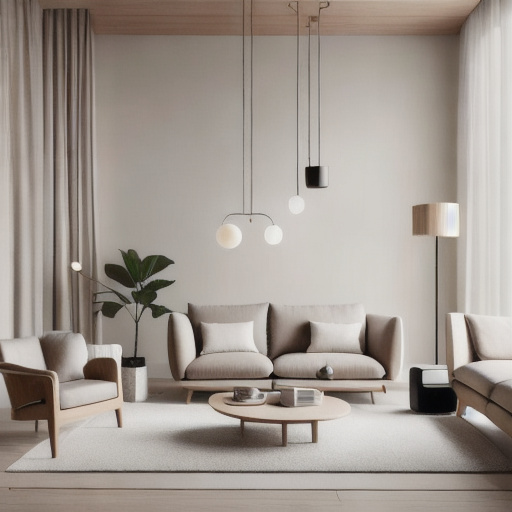
Japandi Вітальня
The social heart of the home for relaxing and entertaining
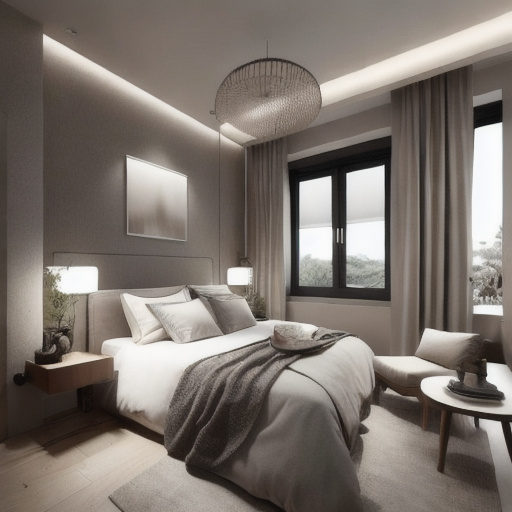
Japandi Спальня
Your personal retreat for rest and recharging
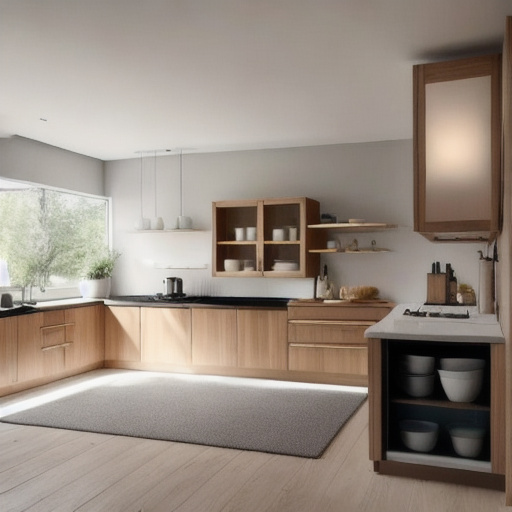
Japandi Кухня
Where cooking meets gathering and everyday life happens
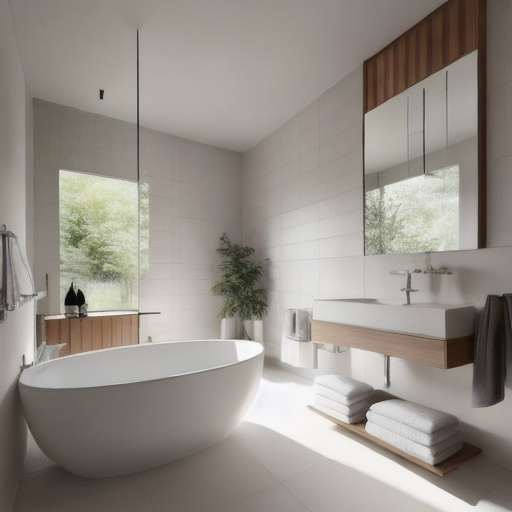
Japandi Ванна кімната
A functional space that can feel like a private spa
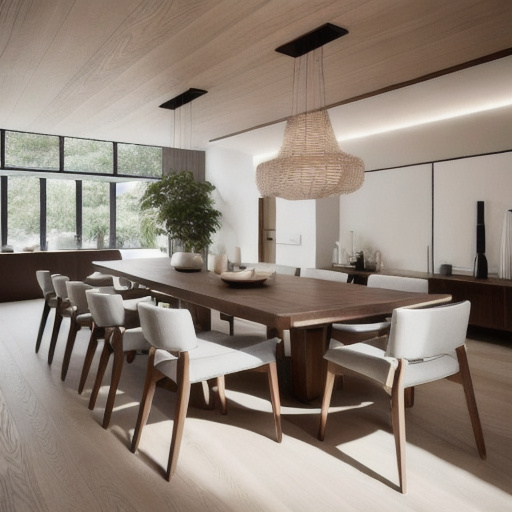
Japandi Їдальня
Set the scene for meals, conversation, and celebrations
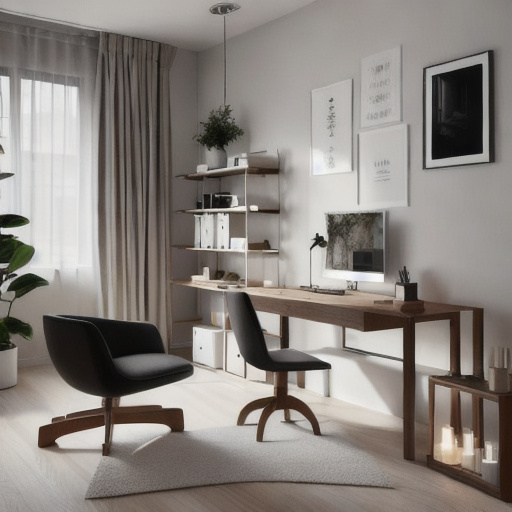
Japandi Домашній офіс
A focused workspace that fuels productivity
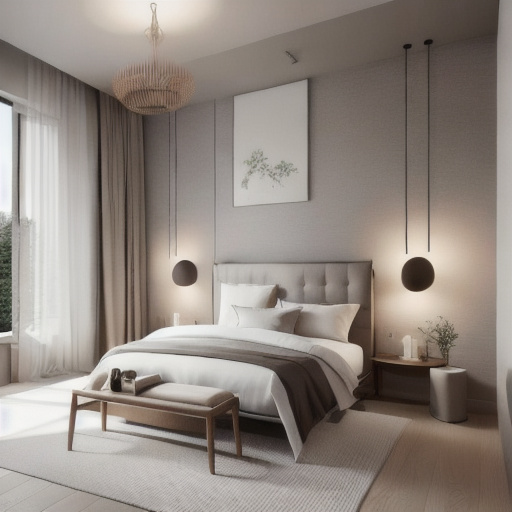
Japandi Гостьова кімната
A welcoming space that makes visitors feel at home
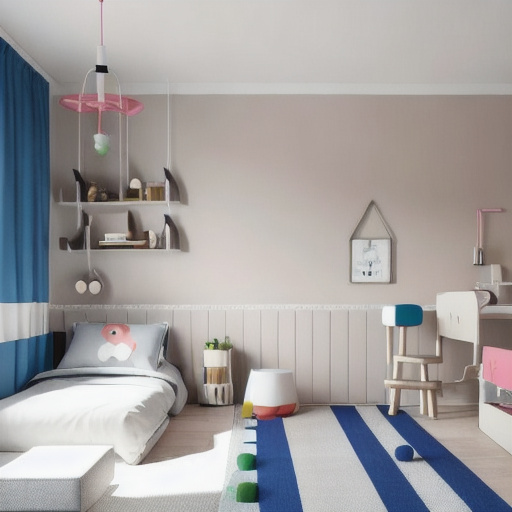
Japandi Kids Room
Playful and imaginative spaces that grow with your child
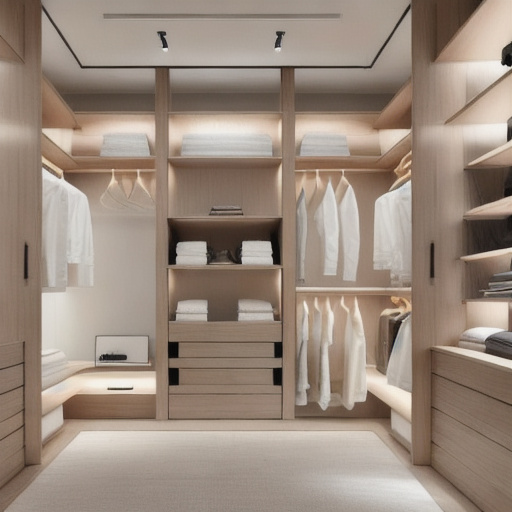
Japandi Гардеробна
Organized storage that makes getting ready effortless
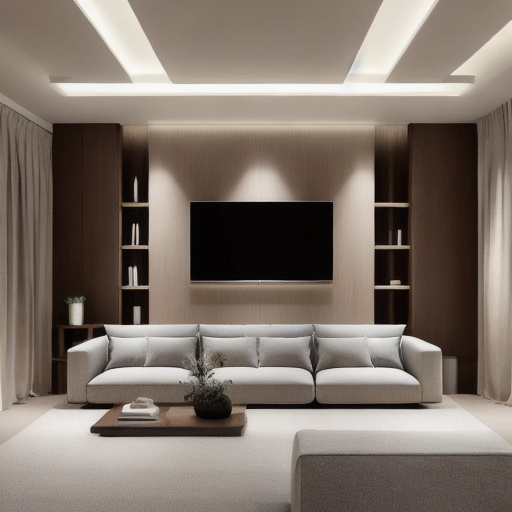
Japandi Домашній кінотеатр
Immersive entertainment in the comfort of your home
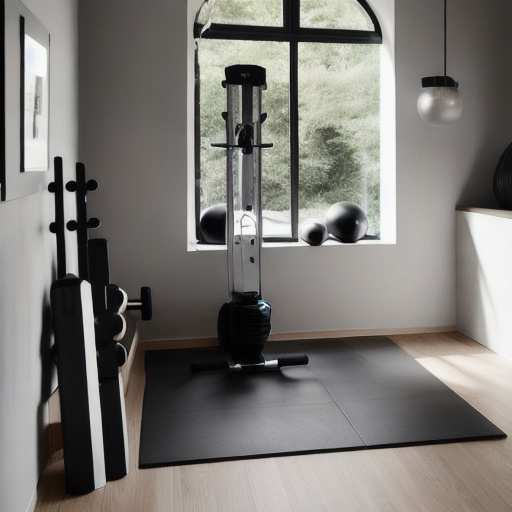
Japandi Home Gym
A motivating workout space steps from your door
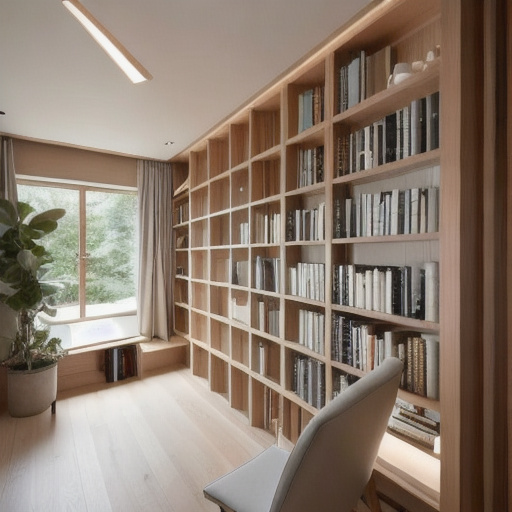
Japandi Бібліотека
A quiet corner for reading, thinking, and collecting books
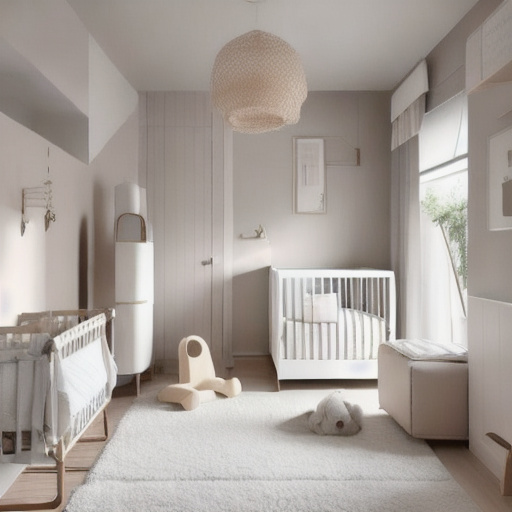
Japandi Nursery
A safe, soothing haven for your newest family member
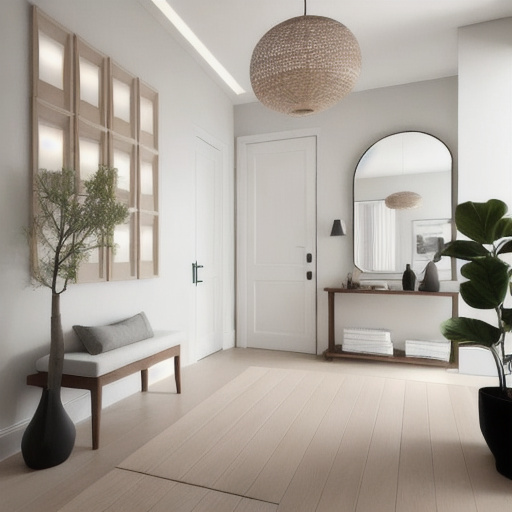
Japandi Entryway
The first impression that sets the tone for your home
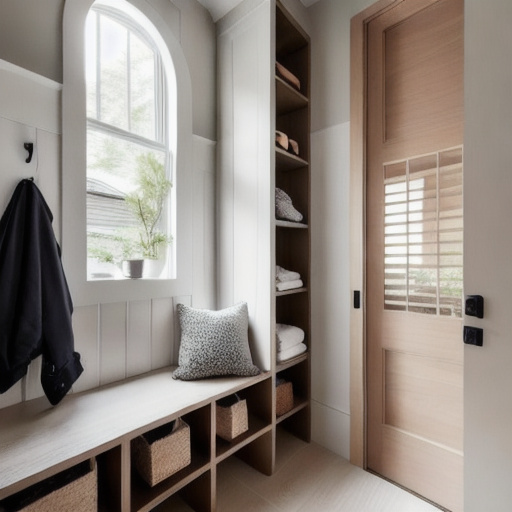
Japandi Передпокій
A hardworking drop zone that keeps clutter in check
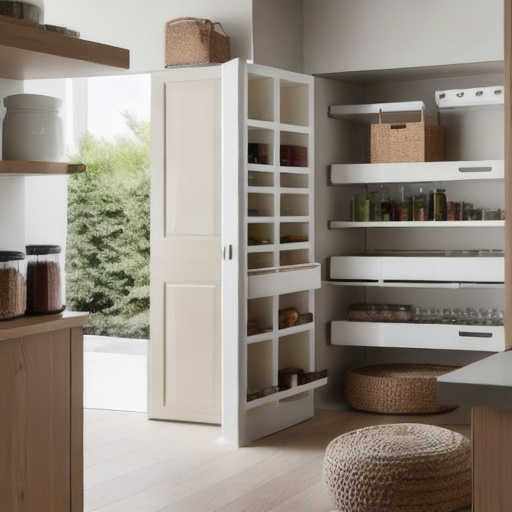
Japandi Комора
Smart storage that keeps your kitchen organized and stocked
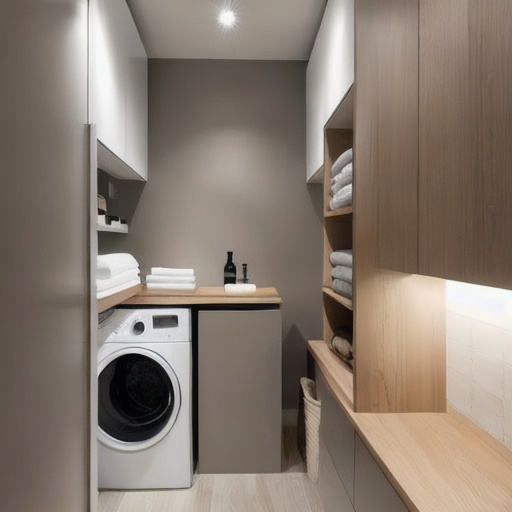
Japandi Пральня
A utility space that can be both practical and pleasant
Explore Other Styles
Frequently Asked Questions
What is Japandi design style?
Japandi combines Japanese minimalism with Scandinavian warmth - clean lines, natural materials, neutral palettes, and focus on craftsmanship.
What colors are used in Japandi interiors?
Warm neutrals - cream, beige, soft gray, black accents. Natural wood tones in both light Scandinavian oak and darker Japanese woods.
How is Japandi different from minimalism?
Japandi is warmer and celebrates handcrafted imperfection (wabi-sabi) with natural materials. Minimalism can feel stark; Japandi feels cozy.
What are key elements of Japandi design?
Low furniture profiles, natural materials, artisanal craftsmanship, functional storage, indoor plants, and intentional negative space.