Biophilic Interior Design
Biophilic design strengthens everyday contact with nature through daylight, views, plants, fresh air, natural materials, organic pattern, and awareness of weather or season. It is broader than adding greenery to an otherwise unchanged room.
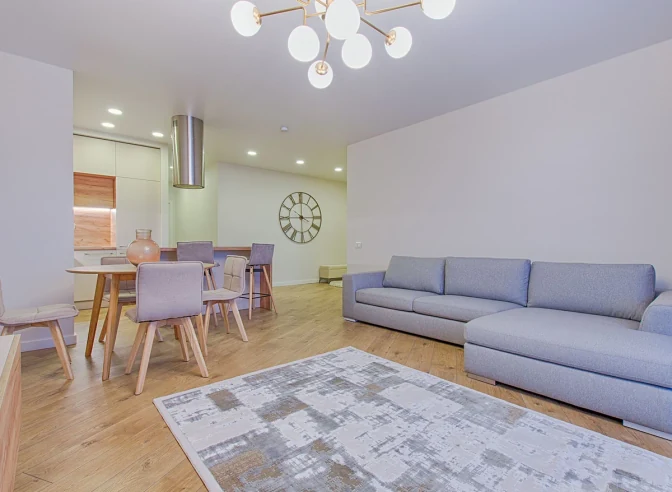
Design recipe for the Biophilic interior style
Begin with the room's real environmental opportunities: windows, ventilation, moisture, temperature, and available care. Choose plants and materials that can thrive there, then organize furniture so people benefit from the light and view.
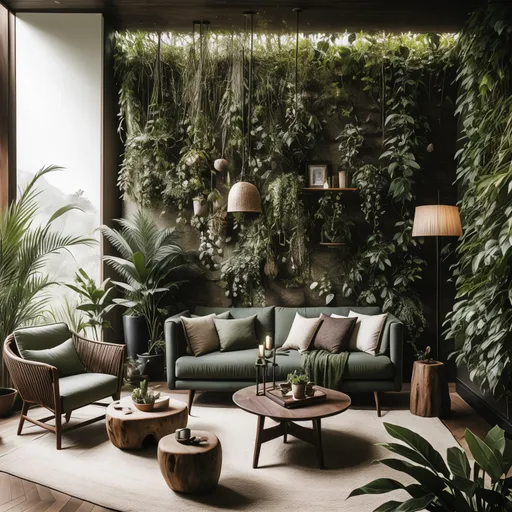
- Palette
- Warm white, soil brown, bark, sand, stone, moss, leaf green, muted water tones, and seasonal accents. Let real plants and timber provide variation rather than forcing every surface to be green.
- Materials
- Responsibly sourced timber, cork, stone, clay, limewash, linen, wool, rattan, jute, hand-finished ceramic, and planting suited to the room's light and humidity.
- Lighting
- Preserve daylight and exterior views, control glare with adjustable layers, and use warm evening light that follows rather than competes with the daily light cycle.
- Furniture
- Arrange seating, desks, dining, and bathing positions toward windows, plants, or natural focal points. Favor tactile natural materials and curved forms where they support comfort.
Four rules that make the Biophilic interior style work
Biophilic design works when nature changes the experience and use of the room, not when plants are applied as a surface-level theme.
What usually goes wrong
Avoid an unmaintainable indoor jungle, plastic greenery presented as the whole strategy, moisture-prone installations without technical planning, and blocking circulation or daylight with plants. A few healthy, well-placed natural connections outperform decorative excess.
A useful AI design prompt
Redesign this room using practical Biophilic design principles: preserve daylight and exterior views, orient key seating or work areas toward nature, add a manageable number of plants suited to the visible light, use warm timber, stone, clay, linen, wool, and cork, introduce organic forms and seasonal texture, create one sheltered refuge area, and layer warm evening light. Keep paths clear and avoid a decorative jungle or impractical living wall.
Ideas in the Biophilic style across real room types
Compare how the same design language changes between living, sleeping, working, dining, cooking, and bathing spaces before applying it to your own room.
Living Room 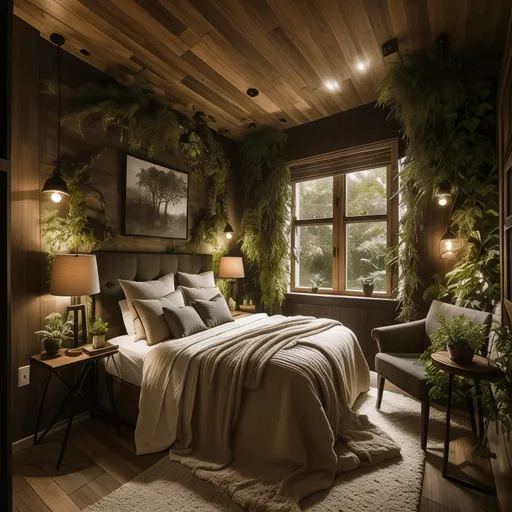
Bedroom 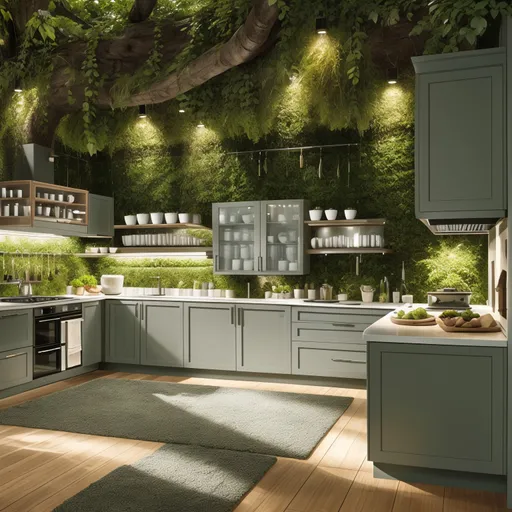
Kitchen 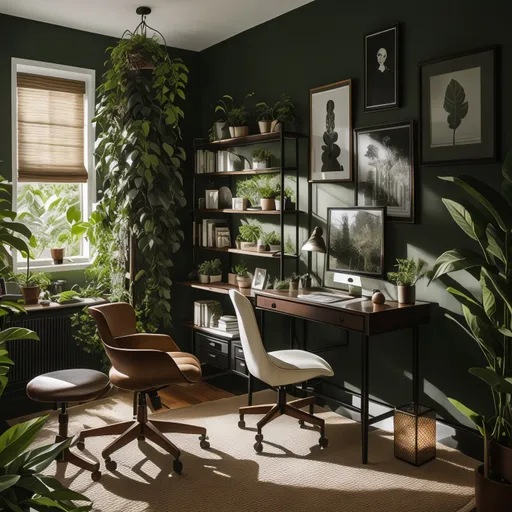
Home Office 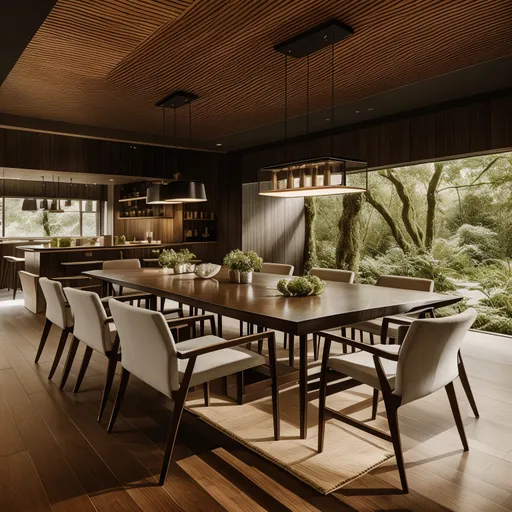
Dining Room 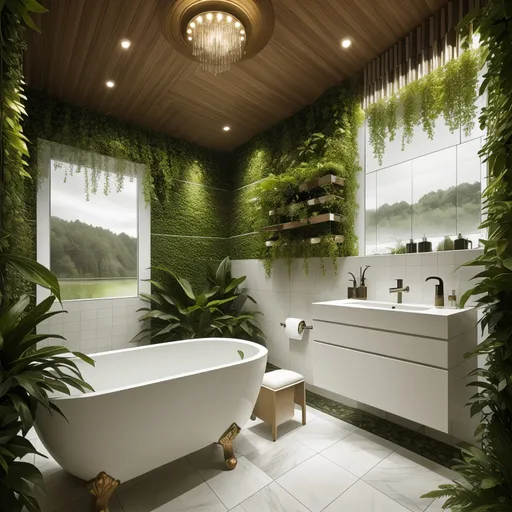
Bathroom
Choose a space to redesign
Color Tools
Compare another interior style
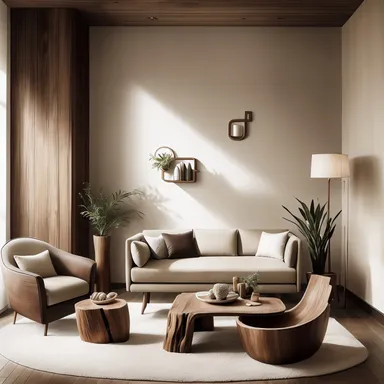 Organic ModernClean contemporary structure softened by curved forms, tactile neutrals, and nature-led materials.
 JapandiJapanese restraint meets Scandinavian warmth through natural materials and purposeful simplicity.
 Wabi-SabiQuiet beauty found in natural imperfection, age, restraint, asymmetry, and materials that change gracefully.