Interior Design Styles You Can Actually Use
A style name is only helpful when it changes a decision. These guides explain the palette, materials, furniture, lighting, and common mistakes behind seven distinctive interiors, then let you preview each direction on a photo of your own room.
Choose an interior design style
Start with the atmosphere you want rather than a trend label. Each guide includes a practical recipe, six room examples, a ready-to-edit AI prompt, and a visualizer preset to that exact style.
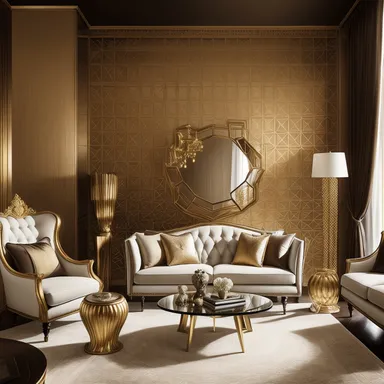 Art DecoGeometric order, polished materials, rich contrast, and a measured dose of glamour.
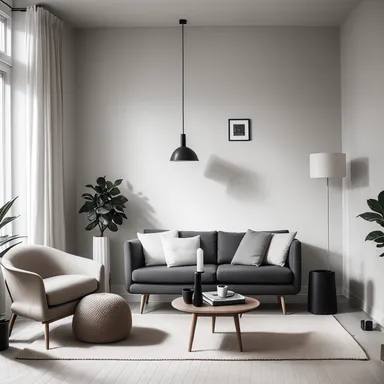 JapandiJapanese restraint meets Scandinavian warmth through natural materials and purposeful simplicity.
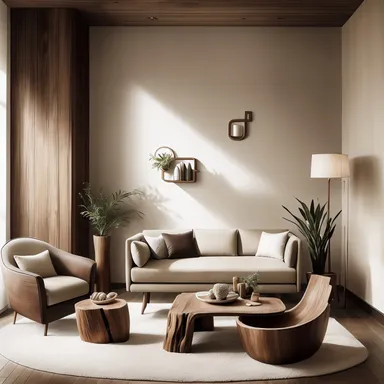 Organic ModernClean contemporary structure softened by curved forms, tactile neutrals, and nature-led materials.
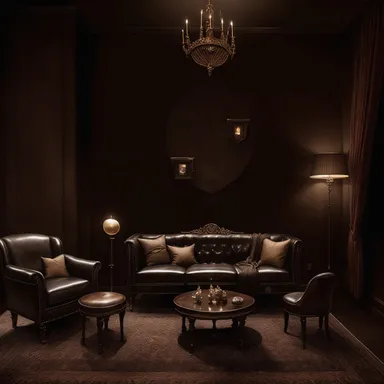 Dark AcademiaA scholarly, atmospheric interior built from books, aged wood, deep color, and layered warm light.
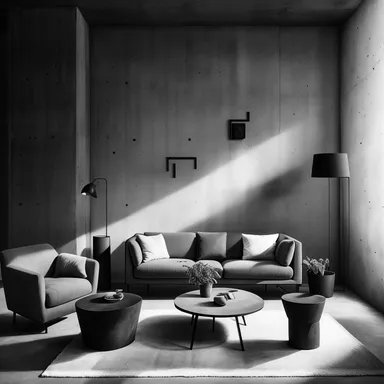 BrutalistMonolithic form, honest materials, and architectural restraint balanced with warmth and human comfort.
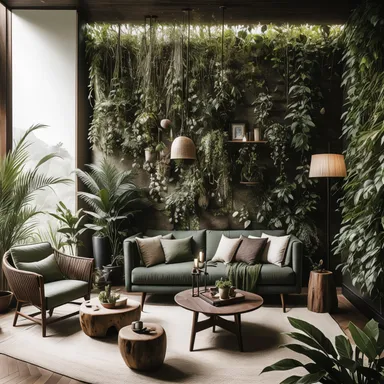 BiophilicA nature-connected interior shaped by daylight, plants, fresh air, natural materials, views, and seasonal change.
 Wabi-SabiQuiet beauty found in natural imperfection, age, restraint, asymmetry, and materials that change gracefully.
How to choose without getting trapped by a label
The best style is the one that fits your room, the way you live, and the materials you can maintain. Use this three-step filter before copying an inspiration image.
Name the feeling
Choose three words for the atmosphere you want, such as calm, tactile, and warm. Keep styles whose core qualities match those words.
List the room features that must stay
List fixed floors, cabinetry, architecture, daylight, and furniture. A useful style direction should work with those constraints, not require disguising all of them.
Test one room first
Visualize the style on your own photo, sample its key materials in real light, and begin with reversible changes before ordering permanent finishes.
Your next step
- AI Room Design FreeRedesign any room from a photo
- Inspect the model interactivelyDrag to orbit, scroll or pinch to zoom, and use the viewer controls to inspect the generated preview.
- AI Interior DesignUpload a photo of any interior and the AI will redesign it in the style you choose. Free, no login required.