Dark Academia Interior Design
Dark Academia interiors borrow the atmosphere of old libraries, studies, museums, and university rooms: deep color, aged wood, books, collected art, and focused pools of warm light. The appeal is intellectual intimacy rather than darkness for its own sake.
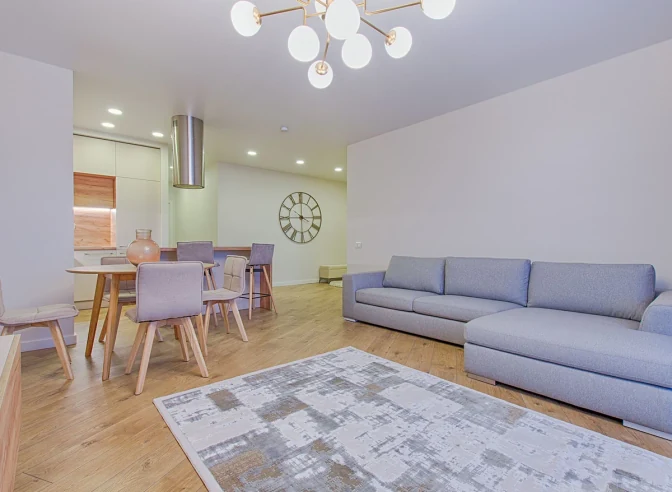
Design recipe for the Dark Academia interior style
Successful rooms preserve legibility and comfort. Layer task, shelf, and ambient light; edit collections; and balance heavy elements with pale paper, worn leather, metal highlights, or a lighter ceiling.

- Palette
- Ink, espresso, tobacco, oxblood, forest green, aubergine, muted navy, parchment, and aged brass. Use the palest tone around reading and working areas.
- Materials
- Dark or aged timber, leather, wool, velvet, linen, antique or patinated brass, stone, framed paper, woven rugs, and book cloth.
- Lighting
- Create several warm lighting zones with library lamps, picture lights, shaded wall lights, and shelf lighting. Preserve useful task illumination and avoid relying on one dim ceiling fixture.
- Furniture
- Use substantial desks, bookcases, reading chairs, side tables, and storage with traditional or mid-century scholarly character. Pieces may differ in era if color and material connect them.
Four rules that make the Dark Academia interior style work
Dark Academia works when the room feels useful, collected, and readable. Atmosphere should support study and conversation rather than obscure them.
What usually goes wrong
Avoid uniformly black rooms, fake stacks of unread books, random antique props, unsafe candle-heavy lighting, and so much visual clutter that surfaces cannot be used. The style should feel personal and scholarly, not like a temporary themed set.
A useful AI design prompt
Redesign this room in a refined Dark Academia style with deep forest, oxblood, ink, and tobacco tones, aged dark wood, genuinely useful bookshelves, leather and wool, framed art and paper, a substantial desk or reading chair, warm layered task and shelf lighting, and carefully edited collected objects. Keep paths and work surfaces functional, add pale parchment highlights, and avoid generic gothic props or an underlit black room.
Ideas in the Dark Academia style across real room types
Compare how the same design language changes between living, sleeping, working, dining, cooking, and bathing spaces before applying it to your own room.
Living Room 
Bedroom 
Kitchen 
Home Office 
Dining Room 
Bathroom
Choose a space to redesign
Color Tools
Compare another interior style
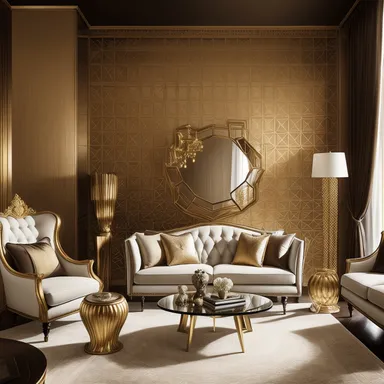 Art DecoGeometric order, polished materials, rich contrast, and a measured dose of glamour.
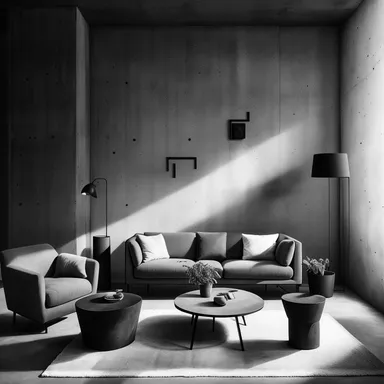 BrutalistMonolithic form, honest materials, and architectural restraint balanced with warmth and human comfort.
 Wabi-SabiQuiet beauty found in natural imperfection, age, restraint, asymmetry, and materials that change gracefully.