Brutalist Interior Design
Brutalist interiors treat structure, mass, and material honesty as the decoration. Concrete, block, plaster, stone, dark metal, and heavy timber create powerful rooms when their proportions and junctions are handled with discipline.
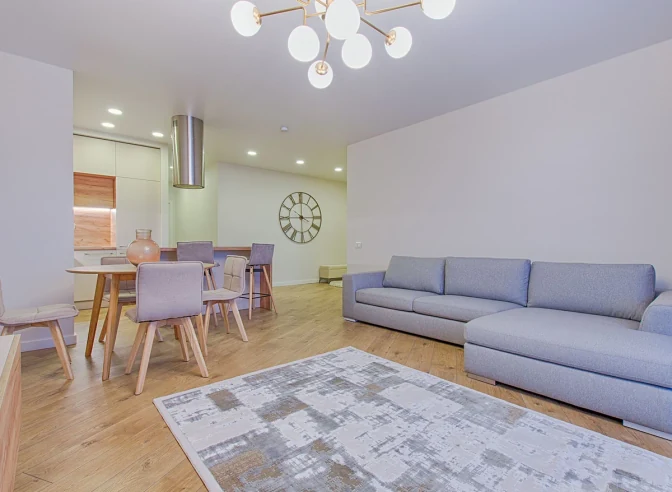
Design recipe for the Brutalist interior style
A home does not need to become a bunker. Warm wood, soft upholstery, rugs, plants, and precise lighting can make the architecture humane without erasing its strength. The goal is clarity and weight, not discomfort.
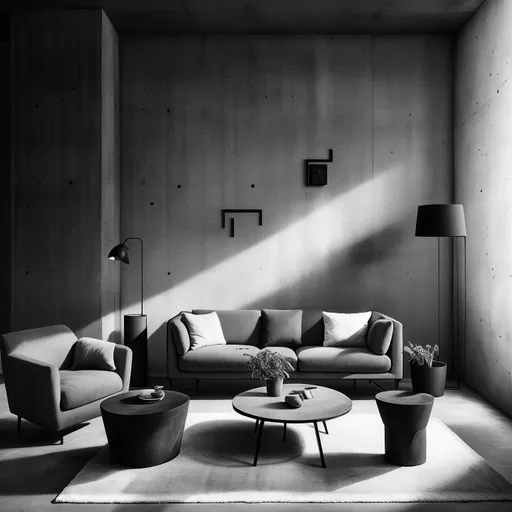
- Palette
- Concrete gray, chalk, charcoal, umber, rust, deep olive, and black, with warm timber or muted textiles preventing the mineral palette from feeling lifeless.
- Materials
- Board-formed or smooth concrete, lime or clay plaster, stone, block, blackened steel, aged metal, heavy timber, wool, leather, and dense woven fabrics.
- Lighting
- Use low-angle light across textured surfaces, concealed linear lights to emphasize large architectural forms, and a few sculptural fixtures. Warm light and glare control are essential in rooms with many hard surfaces.
- Furniture
- Choose low, solid silhouettes, generous upholstery, block tables, built-in benches, and simple pieces whose scale can stand up to strong architecture.
Four rules that make the Brutalist interior style work
Brutalism depends on proportion and honest material expression. Softness should support the architecture rather than conceal it.
What usually goes wrong
Avoid faux-concrete wallpaper on every wall, uniformly gray furniture, exposed hard edges in circulation routes, and sacrificing acoustics or comfort for a severe photograph. Strong material choices need precise detailing and soft human counterpoints.
A useful AI design prompt
Redesign this room in a livable Brutalist style with one or two monolithic architectural forms, honest concrete or mineral plaster texture, charcoal metal, heavy warm timber, a controlled gray, umber, rust, and olive palette, low substantial furniture, soft wool upholstery and rugs, restrained plants, and warm grazing light. Keep it comfortable and acoustically softened, avoiding fake concrete overload or a cold bunker effect.
Ideas in the Brutalist style across real room types
Compare how the same design language changes between living, sleeping, working, dining, cooking, and bathing spaces before applying it to your own room.
Living Room 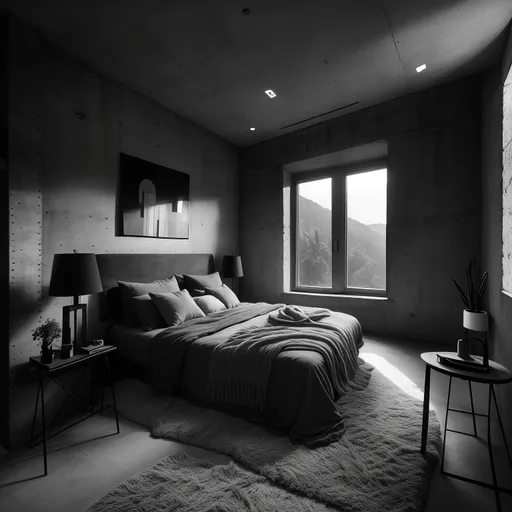
Bedroom 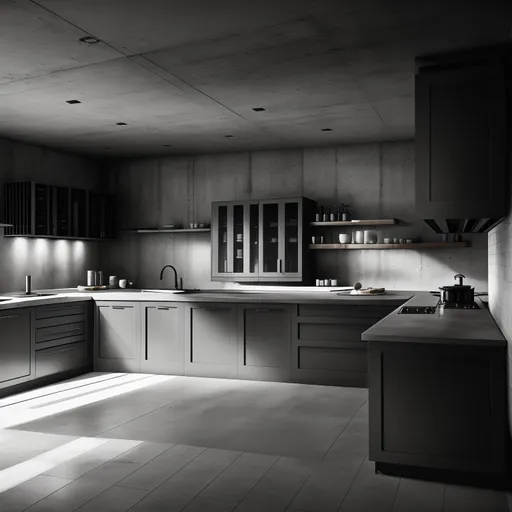
Kitchen 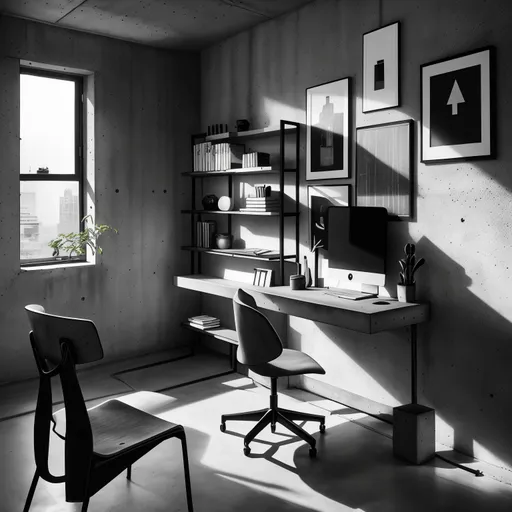
Home Office 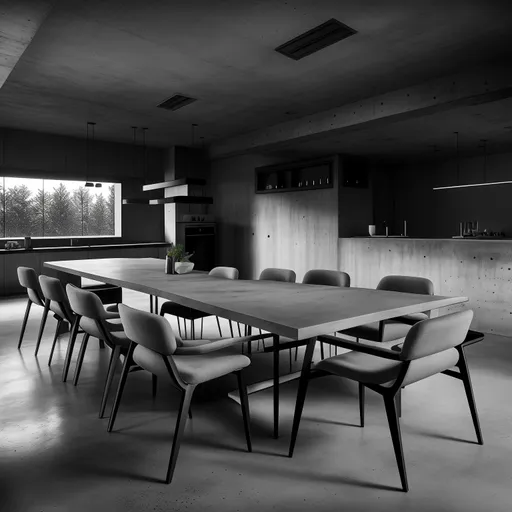
Dining Room 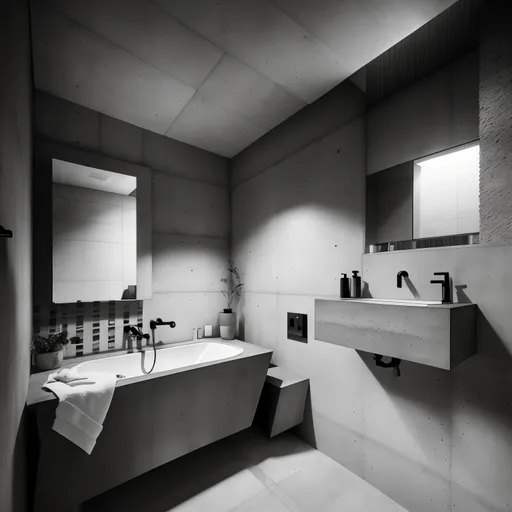
Bathroom
Choose a space to redesign
Color Tools
Compare another interior style
 Wabi-SabiQuiet beauty found in natural imperfection, age, restraint, asymmetry, and materials that change gracefully.
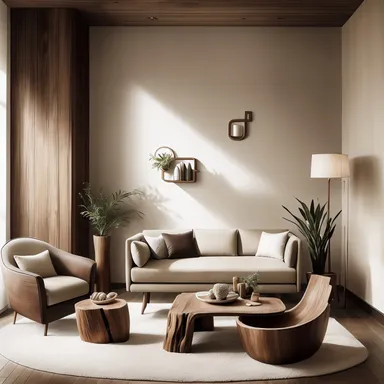 Organic ModernClean contemporary structure softened by curved forms, tactile neutrals, and nature-led materials.
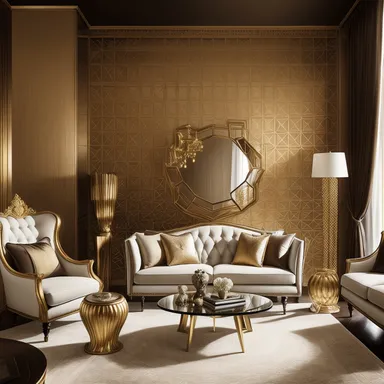 Art DecoGeometric order, polished materials, rich contrast, and a measured dose of glamour.