Japandi Interior Design
Japandi combines the calm restraint and craft awareness of Japanese interiors with the comfort and practical clarity associated with Scandinavian design. The result is warm minimalism: fewer things, better materials, and rooms organized around daily rituals.
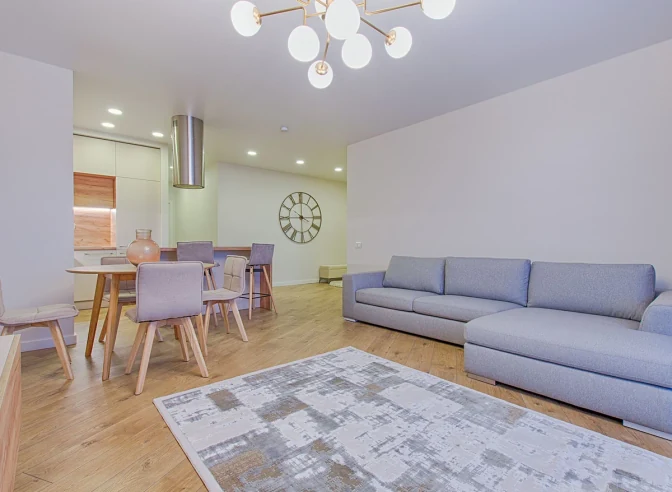
Design recipe for the Japandi interior style
The style is not simply a beige room with pale wood. Contrast, texture, negative space, and handmade imperfection keep it grounded. Storage should remove visual noise while a few useful objects make the room feel lived in.
- Palette
- Warm white, oatmeal, mushroom, clay, muted olive, charcoal, and black accents. Mix light and medium wood tones carefully, using the darkest note to define edges and focal points.
- Materials
- Oak, Ash wood, darker stained wood, linen, wool, paper, bamboo, matte ceramic, limewash, and natural stone. Favor visible natural wood-grain patterns and tactile surfaces over shiny uniform finishes.
- Lighting
- Soften daylight with paper, linen, or woven shades. For evening, add several small areas of warm light. Hide harsh bulbs and avoid evenly spaced cold-white ceiling spotlights.
- Furniture
- Use low furniture with clean lines, visible well-crafted wood joints, rounded edges, and comfortable natural-fiber upholstery. Each piece should have a clear function and enough space around it.
Four rules that make the Japandi interior style work
Japandi feels calm because every object, contrast, and empty area has a purpose. Warmth keeps the restraint from becoming sterile.
What usually goes wrong
Avoid an all-beige showroom, excessive slatted wood, fragile low furniture that does not suit the household, and decorative objects chosen only because they appear Japanese. Function, craft, and a real sense of use should remain visible.
A useful AI design prompt
Redesign this room in an authentic Japandi style with warm minimalism, a restrained cream, clay, charcoal, and muted olive palette, natural light and dark woods, linen, wool, matte ceramic, subtle limewash texture, low functional furniture, concealed storage, soft diffused lighting, and intentional negative space. Keep it comfortable and lived in, not empty or themed.
Ideas in the Japandi style across real room types
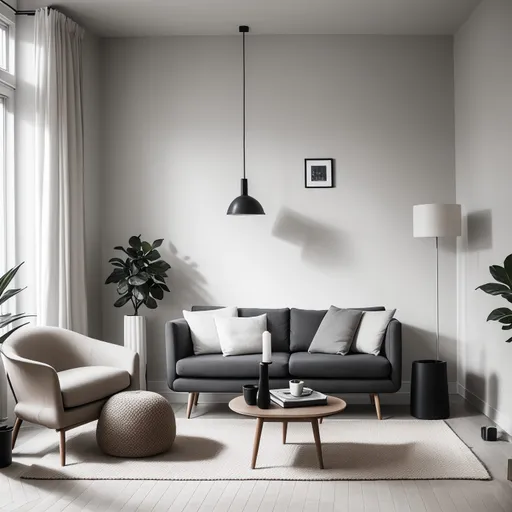
Compare how the same design language changes between living, sleeping, working, dining, cooking, and bathing spaces before applying it to your own room.
Living Room 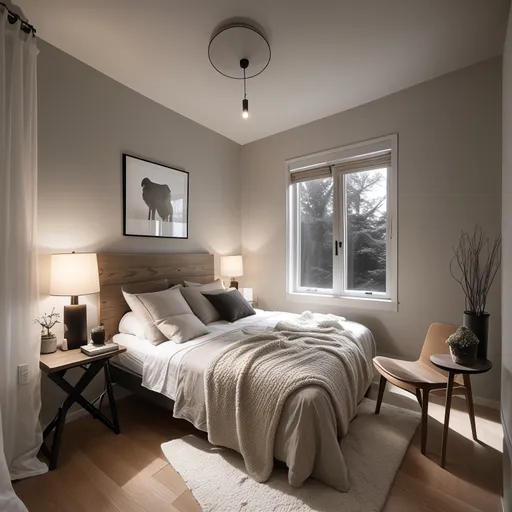
Bedroom 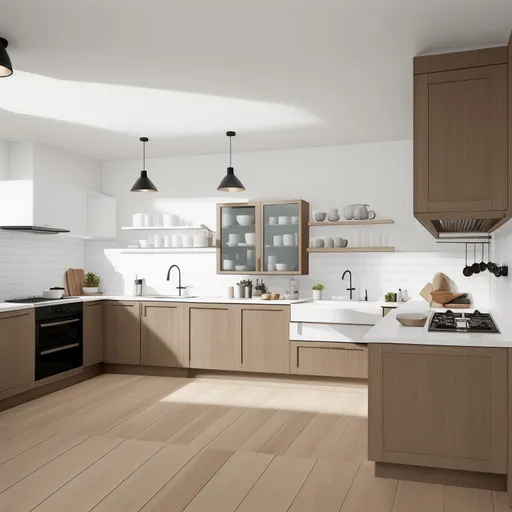
Kitchen 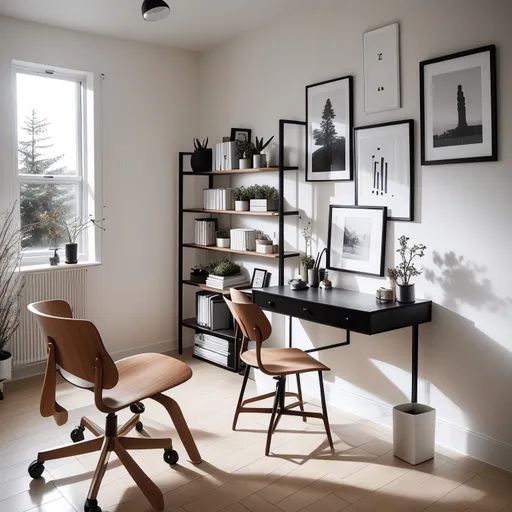
Home Office 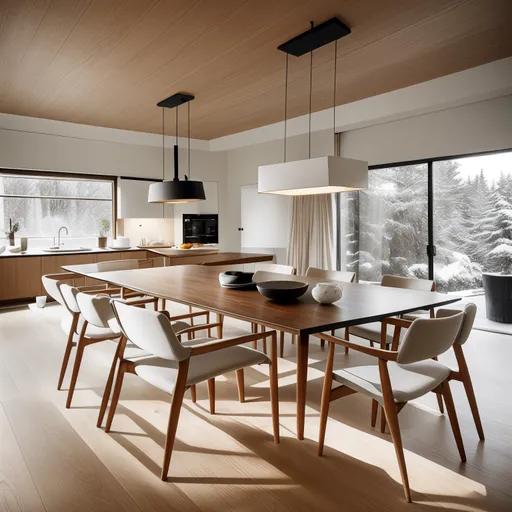
Dining Room 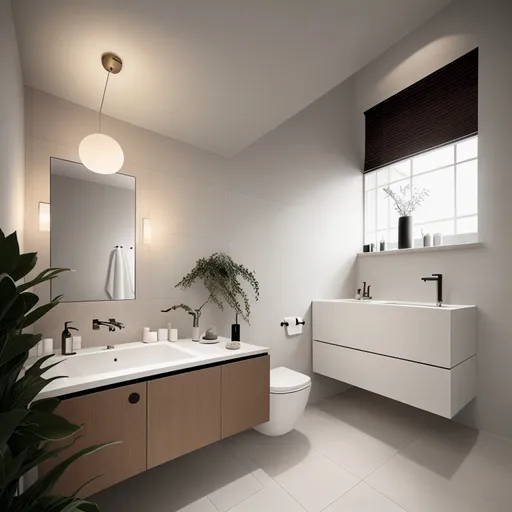
Bathroom
Choose a space to redesign
Color Tools
Compare another interior style
 Wabi-SabiQuiet beauty found in natural imperfection, age, restraint, asymmetry, and materials that change gracefully.
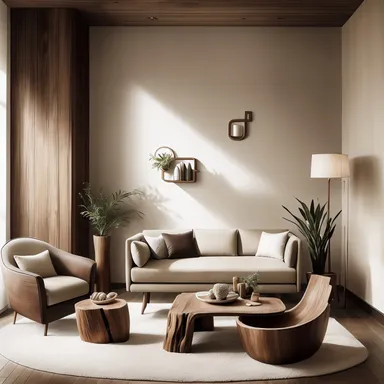 Organic ModernClean contemporary structure softened by curved forms, tactile neutrals, and nature-led materials.
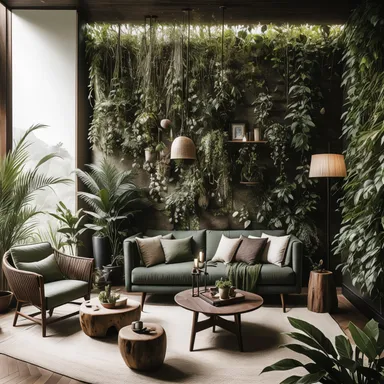 BiophilicA nature-connected interior shaped by daylight, plants, fresh air, natural materials, views, and seasonal change.