Scandinavian Interior Design
Scandinavian interior design comes from the Nordic countries, where long dark winters made daylight, warmth, and usefulness the priorities. Pale walls, light wood, simple well-made furniture, and soft textiles create rooms that feel bright, calm, and lived in.
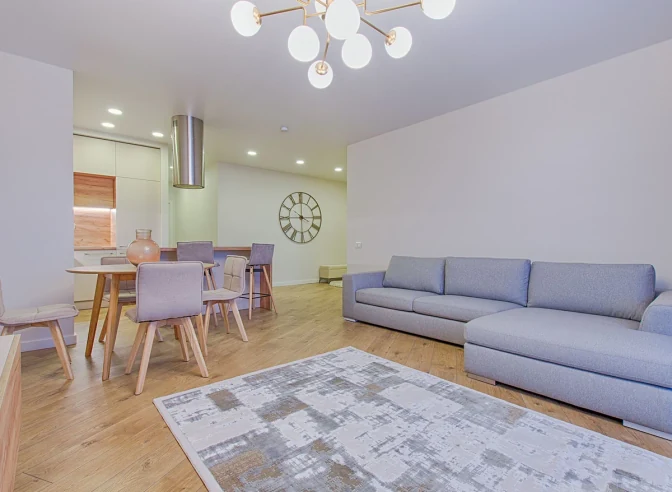
Design recipe for the Scandinavian interior style
It is not a bare white box. The style depends on texture and comfort: wool throws, linen curtains, sheepskins, plants, and candlelight. Begin by lightening the largest surfaces, then layer natural materials and a few muted colors.

- Palette
- White, soft gray, and pale beige with light wood. Add muted accents such as dusty blue, sage green, blush pink, or ochre, and small touches of black for definition.
- Materials
- Birch, ash, pine, beech, and light oak, with wool, linen, cotton, sheepskin, leather, ceramic, and glass. Keep wood pale and matte, and choose textiles with a visible weave.
- Lighting
- Leave windows clear or dress them in sheer linen. In the evening use several low, warm lamps, a pendant hung low over the table, and candles instead of one bright ceiling light.
- Furniture
- Pick simple pieces with tapered legs, rounded edges, and light wood frames: a compact sofa, spindle-back chairs, open shelving, and storage that hides daily clutter.
Four rules that make the Scandinavian interior style work
Scandinavian rooms balance brightness with coziness. Every piece should be useful, pleasant to touch, and easy to live with.
What usually goes wrong
Avoid painting everything stark white and stopping there, which leaves a room cold and flat. Skip heavy curtains, bulky dark furniture, and rows of identical catalog pieces. Without wood, textiles, plants, and warm light, the comfort is lost.
A useful AI design prompt
Redesign this room in a Scandinavian style with soft white walls, pale birch or oak floors and furniture, simple pieces with tapered legs, sheer linen curtains, wool throws, a sheepskin, muted dusty blue and sage accents, small black details, green plants, a low pendant light, and several warm lamps. Keep it bright, uncluttered, and cozy with a realistic layout, and avoid a stark white room or heavy dark furniture.
Ideas in the Scandinavian style across real room types
Compare how the same design language changes between living, sleeping, working, dining, cooking, and bathing spaces before applying it to your own room.
Living Room 
Bedroom 
Kitchen 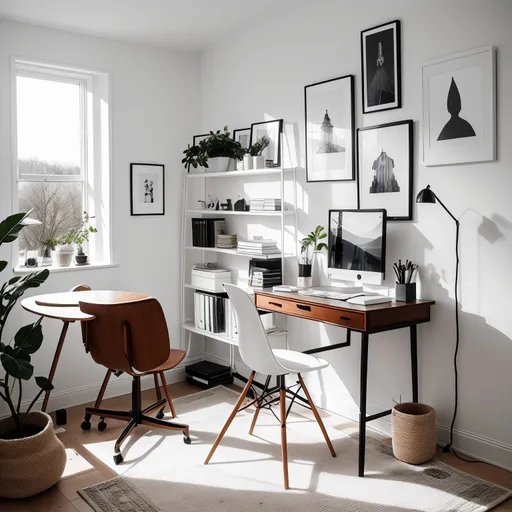
Home Office 
Dining Room 
Bathroom
Choose a space to redesign
Color Tools
Compare another interior style
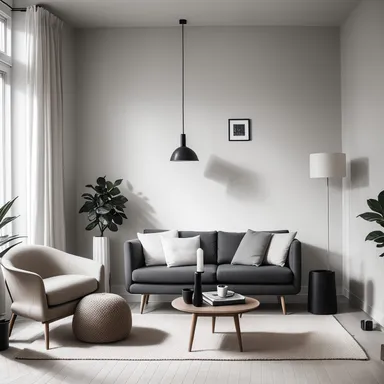 JapandiJapanese restraint meets Scandinavian warmth through natural materials and purposeful simplicity.
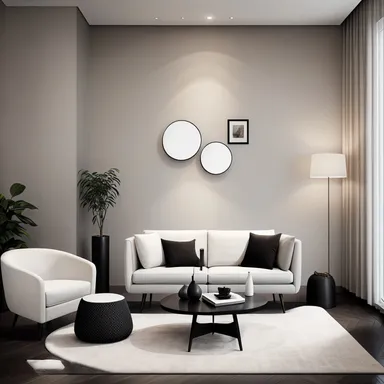 ModernClean lines, open space, honest materials, and furniture whose form follows its function.
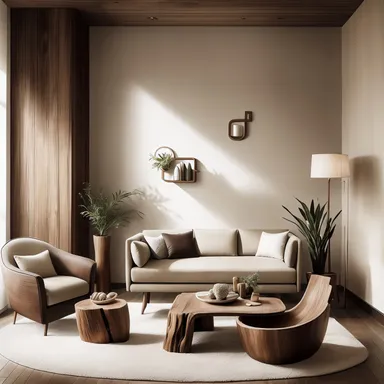 Organic ModernClean contemporary structure softened by curved forms, tactile neutrals, and nature-led materials.