Bohemian Interior Design
Bohemian interior design, often shortened to boho, takes its name from the nineteenth-century artists and writers who lived outside convention. It favors relaxed, layered rooms built from pattern, color, plants, handmade textiles, and furniture gathered slowly.
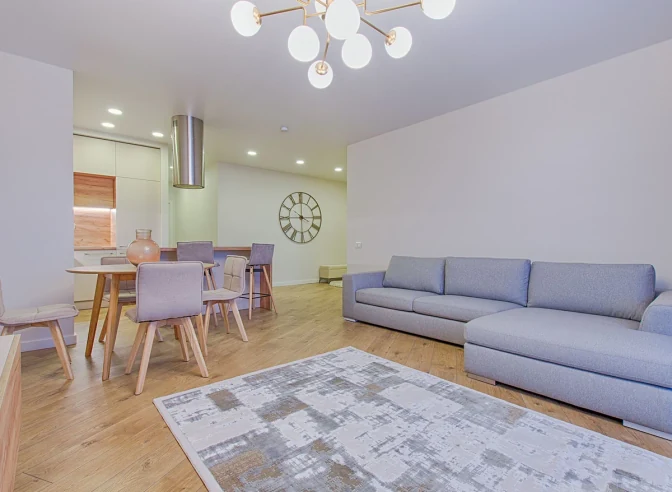
Design recipe for the Bohemian interior style
The look is free but not random. A warm base color, repeated natural materials, and a small family of hues hold the layers together. Start with one rug or textile you love and build the room around it.

- Palette
- Warm white or cream walls with terracotta, mustard, rust, olive, and deep teal, plus jewel accents such as magenta or sapphire. Repeat two or three of these colors across the room.
- Materials
- Rattan, wicker, bamboo, jute, and worn wood, with cotton, linen, wool, macrame, velvet, and leather. Handwoven rugs, block-printed fabrics, and glazed ceramics add pattern and craft.
- Lighting
- Layer low, warm light from woven or paper shades, pierced metal lanterns, string lights, and candles. Aim for a soft evening glow from several small sources, not a single bright overhead fixture.
- Furniture
- Mix low, loungey seating with vintage finds: a deep sofa piled with cushions, floor poufs, a rattan chair, a carved side table, and shelves for books and plants.
Four rules that make the Bohemian interior style work
Bohemian rooms feel personal because they grow over time. Layering is the method, and a shared palette keeps it readable.
What usually goes wrong
Avoid a ready-made boho kit of macrame, pampas grass, and matching prints, which looks themed, not personal. Too many colors without a shared base become clutter. Leave some wall and floor plain, and buy handmade textiles from their makers.
A useful AI design prompt
Redesign this room in a relaxed bohemian style with warm white walls, a patterned handwoven rug, layered cushions and throws in terracotta, mustard, olive, and teal, rattan and worn wood furniture, a low comfortable sofa, floor poufs, many green plants, woven baskets, and warm light from woven shades and lanterns. Keep the layout realistic and the palette cohesive, and avoid clutter, clashing colors, or a staged themed look.
Ideas in the Bohemian style across real room types
Compare how the same design language changes between living, sleeping, working, dining, cooking, and bathing spaces before applying it to your own room.
Living Room 
Bedroom 
Kitchen 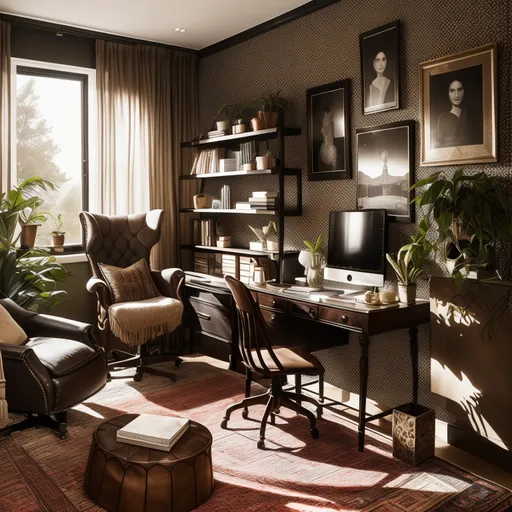
Home Office 
Dining Room 
Bathroom
Choose a space to redesign
Color Tools
Compare another interior style
 EclecticA deliberate mix of eras, styles, and textures, held together by color, scale, and repetition.
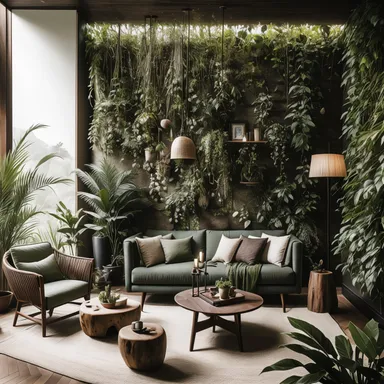 BiophilicA nature-connected interior shaped by daylight, plants, fresh air, natural materials, views, and seasonal change.
 Wabi-SabiQuiet beauty found in natural imperfection, age, restraint, asymmetry, and materials that change gracefully.