Eclectic Interior Design
Eclectic interior design combines furniture, art, and materials from different periods and styles in one room. It works when the mix is deliberate: a shared palette, repeated shapes or finishes, and balanced proportions make unlike pieces belong together.
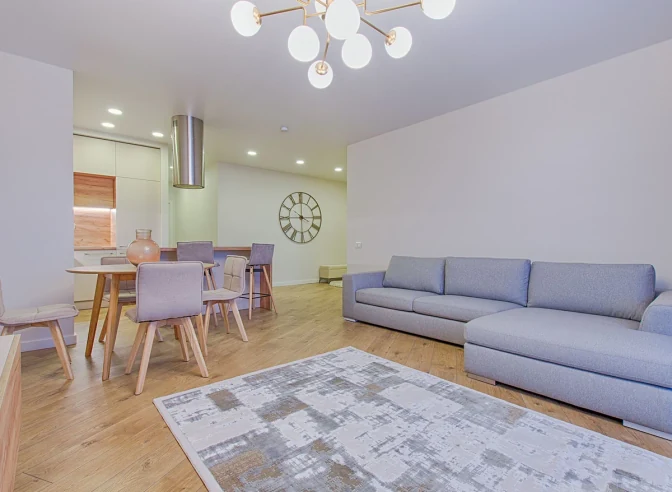
Design recipe for the Eclectic interior style
Eclectic does not mean anything goes. Choose a calm backdrop and two or three accent colors, then pair opposites on purpose, such as an antique chest beside a sleek lamp. Edit often so each contrast shows.

- Palette
- A neutral base of white, warm gray, or charcoal with two or three repeated accents such as navy, emerald, ochre, or burgundy. Carry each accent through at least three objects.
- Materials
- Mix old and new, rough and polished: aged wood with lacquer, marble with rattan, velvet with linen, brass with black metal. Repeat each finish so nothing looks accidental.
- Lighting
- Use lighting as a bridge between styles: a classic chandelier over a modern table, or a sculptural lamp on an antique desk. Combine ambient, task, and accent light in one warm tone.
- Furniture
- Combine eras at a similar scale: a traditional sofa with a modern coffee table, or mismatched dining chairs painted one color. Vary shapes, but keep seat heights compatible.
Four rules that make the Eclectic interior style work
Eclectic rooms succeed through editing, not accumulation. A few repeated elements turn a varied collection into one composition.
What usually goes wrong
Avoid collecting without a plan, which produces clutter instead of character. Too many colors, small objects on every surface, or pieces of different scale make a room restless. If a piece shares nothing with the rest, move it.
A useful AI design prompt
Redesign this room in an eclectic style that pairs a traditional sofa with modern tables, vintage and contemporary art in a gallery wall, a patterned rug, velvet and linen textiles, aged wood, brass, and black metal, over a neutral backdrop with repeated navy, emerald, and ochre accents and one statement light. Keep the layout realistic and balanced with clear focal points, and avoid clutter, random colors, or mismatched scale.
Ideas in the Eclectic style across real room types
Compare how the same design language changes between living, sleeping, working, dining, cooking, and bathing spaces before applying it to your own room.
Living Room 
Bedroom 
Kitchen 
Home Office 
Dining Room 
Bathroom
Choose a space to redesign
Color Tools
Compare another interior style
 BohemianRelaxed, layered rooms full of pattern, plants, handmade textiles, and pieces collected over time.
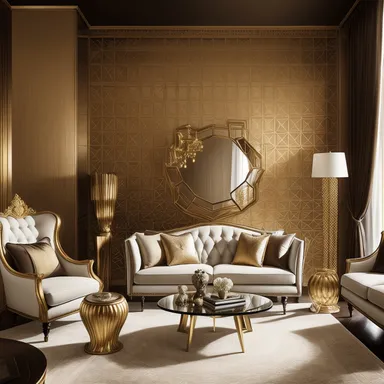 Art DecoGeometric order, polished materials, rich contrast, and a measured dose of glamour.
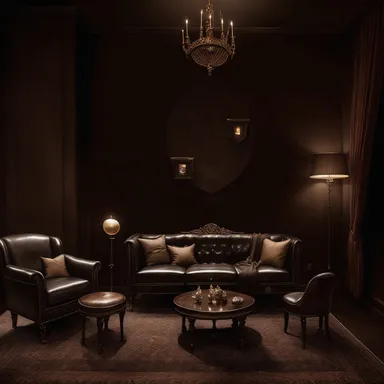 Dark AcademiaA scholarly, atmospheric interior built from books, aged wood, deep color, and layered warm light.